Multi-purpose Dynamic Simulation: Startup support
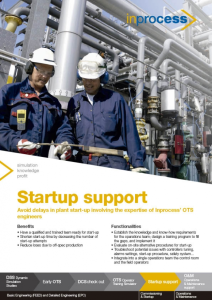
Avoid delays in plant start-ups using the expertise of Inprocess’ OTS engineers.
Avoid delays in plant start-ups using the expertise of Inprocess’ OTS engineers.
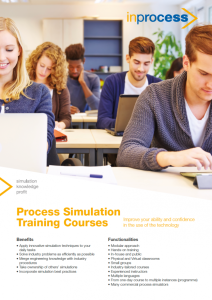
Improve your ability and confidence in the use of the technology: Apply innovative simulation techniques to your daily tasks. Solve industry problems as efficiently as possible. Merge engineering knowledge with industry procedures. Take ownership of others’ simulations. Incorporate simulation best practices.
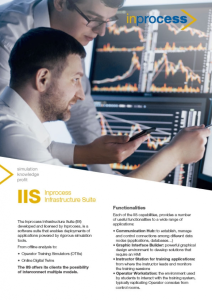
One of the key components of an Operator Training System is the station from where the instructor leads and monitors the training sessions. Inprocess has developed an instructor station software that allows users to
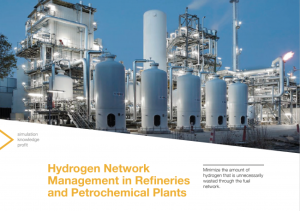
Inprocess has extensive experience in the development and implementation of online hydrogen network management tools that have helped the petrochemical industry and refineries achieve operational savings without capital investment.
Inprocess oral contribution to Aspentech’s Users Conference Beyond Optimize held online in October 2021.
Finding bottlenecks in cooling water network to improve the operability of the plant and reduce the power consumption and waste of water.
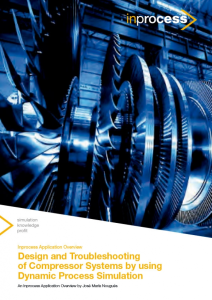
The use of dynamic process simulation has been established in the last few years as a reliable and effective tool to analyse transient behaviour of process systems. The transient analysis of these operations is critical to evaluate the dynamic behaviour of the compressor system and the associated control and safety systems.
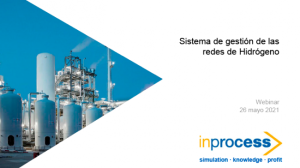
Inprocess posee una amplia experiencia en el desarrollo e implementación de herramientas en línea de gestión de la red de hidrógeno que han ayudado a la industria petroquímica y a las refinerías a obtener ahorros en la operación, sin inversiones de capital.
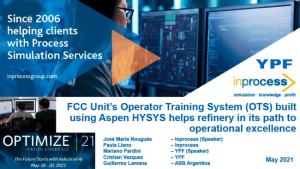
Joint oral contribution to Aspentech’s Users Conference Optimize 2021 held online in May 2021.
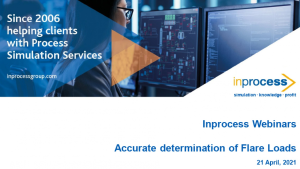
Discover how Inprocess’ wide experience in dynamic flare analysis can help you to avoid acquiring unnecessary new materials and equipment in flare systems revalidation projects, without ever compromising safety.

Inprocess Technology and Consulting Group, S.L.U.
Pedro i Pons, 9-11, 13th floor
08034 Barcelona, Spain
Tel: +34 933 308 205
© 2026 Inprocess Technology and Consulting Group, S.L.U. | All rights reserved
© 2026 Inprocess Technology and
Consulting Group, S.L.
All rights reserved