The Benefits of Digitals Twins and VR for greenfield projects
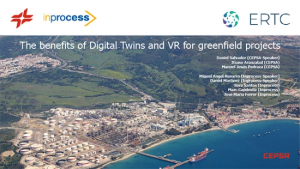
Co-presentation of Inprocess and CEPSA of the successful project implementing Digital Twins and VR at CEPSA Puentemayorga plant (Spain).

Co-presentation of Inprocess and CEPSA of the successful project implementing Digital Twins and VR at CEPSA Puentemayorga plant (Spain).
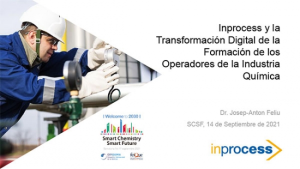
Presentación en el Agora de Smart Chemistry Smart Future, área de Expoquimia específicamente destinada a los avances tecnológicos para el sector químico. Inprocess lleva años ayudando a la Industria Química en la transformación digital de la formación de sus operadores.
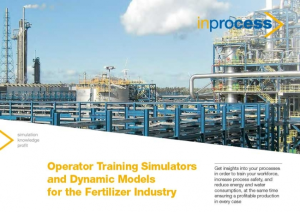
As in any other industry, safety, reliability and profitability rely to a great extent on a sufficient level of knowledge, skills and aptitudes of the plant’s workforce. In such an energy-intensive industry, such as fertilizers, having the personnel properly trained is key to achieving corporate targets and KPIs.
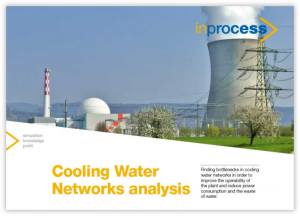
Inprocess simulation analysis of the cooling water network helps companies to improve the performance of the plant. When this study is carried out, the result is that bottlenecks are identified and this way, the most critical points can be addressed with optimal solutions to improve the performance of the cooling water network …

Inprocess contributed last November 11th to the FPSO Brazil Congress Online 2020, organized by the FPSO network, with a presentation entitled “How to ensure a successful FPSO start-up by phased lifecycle approach of Process Digital Twin”
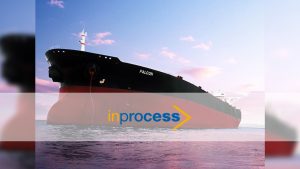
Yinson has awarded Inprocess the development of the Lifecycle Operator Training Simulator (LC-OTS) for Anna Nery Floating Production Storage and Offloading (FPSO) platform,

For Process Engineers who want to understand the fundamentals of Process Control by using practical simulation cases.

A new technical paper has been published by Inprocess personnel!
Don’t miss this interesting article where our experts explore the use of dynamic simulation to find the optimal control parameters for purge gas injection in flares. The paper has been published in the October 2020 issue of Hydrocarbon
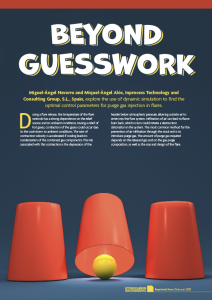
During a flare release, the temperature of the flare network has a strong dependence on the relief source and on ambient conditions. During a relief of hot gases, contraction of the gases could occur due to the cool-down to ambient conditions. The rate of contraction velocity is accelerated if cooling leads to condensation of the contained gas components.

Inprocess would like to invite you to the webinar entitled: “Flare Systems Revalidation: From PSVs to Dynamic Flare Networks”

Inprocess Technology and Consulting Group, S.L.U.
Pedro i Pons, 9-11, 13th floor
08034 Barcelona, Spain
Tel: +34 933 308 205
© 2026 Inprocess Technology and Consulting Group, S.L.U. | All rights reserved
© 2026 Inprocess Technology and
Consulting Group, S.L.
All rights reserved