PUBLIC COURSE (Virtual: 16th to 20th November): Process Control for Process Engineers using Dynamic Simulation

For Process Engineers who want to understand the fundamentals of Process Control by using practical simulation cases.

For Process Engineers who want to understand the fundamentals of Process Control by using practical simulation cases.

A new technical paper has been published by Inprocess personnel!
Don’t miss this interesting article where our experts explore the use of dynamic simulation to find the optimal control parameters for purge gas injection in flares. The paper has been published in the October 2020 issue of Hydrocarbon
Inprocess would like to invite you to the webinar entitled: “Flare Systems Revalidation: From PSVs to Dynamic Flare Networks”

Starting next June 15th, with an Introduction to Dynamic Process Simulation course, Inprocess experts will be using Virtual Classrooms to give online a selected list of our process simulation-based courses.
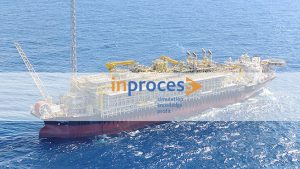
MODEC, Inc. has awarded Inprocess the development of the Lifecycle Operator Training Simulator (LC-OTS) for their Almirante Barroso (MV32) Floating Production Storage and Offloading (FPSO) platform,
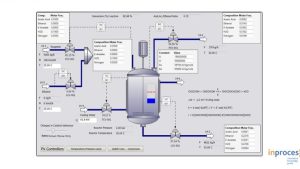
As detailed in our previous week’s post, #ITOP is not only an innovative training solution to improve the know-how of plant operators concerning the functioning of plant equipment, but also a tool that can be easily configured to be accessed from the #cloud. Whether installed in a public or private cloud,
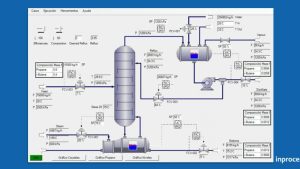
Thanks to ITOP (Inprocess Training for OPerators), we have been able to tackle one of the most critical concerns in the process industry,
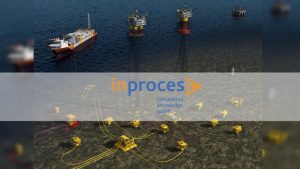
By using dynamic multi-phase pipeline simulation results, Inprocess engineers can determine static hydraulic effects and operating envelopes in pipelines and the transient behavior of them during upset conditions (ramp up, ramp down, pigging operations, etc.)
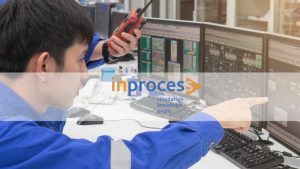
Operation Owners are in need of skilled operators | Being capable of smoothly starting-up a new plat, of re-starting it from hot or warm conditions after an unplanned or planned shutdown, of following the adequate operational procedures to react faced with an infrequent event,
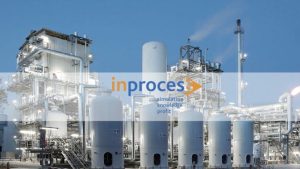
Management of hydrogen networks in refineries and petrochemical sites, with the objective of minimising external hydrogen consumption, as well as the one purged to the fuel network,

Inprocess Technology and Consulting Group, S.L.U.
Pedro i Pons, 9-11, 13th floor
08034 Barcelona, Spain
Tel: +34 933 308 205
© 2026 Inprocess Technology and Consulting Group, S.L.U. | All rights reserved
© 2026 Inprocess Technology and
Consulting Group, S.L.
All rights reserved